The best Whatfix alternatives for 2026 (without the enterprise price tag)


TL;DR
- Whatfix is a capable digital adoption platform, but it's built and priced for large enterprises: quote-only contracts (a median of roughly $32k a year) and a steep learning curve
- Best value pick: Product Fruits – onboarding, a knowledge base, surveys and in-app help in one transparent price from $111/mo
- Other strong options: UserGuiding, Userpilot, HelpHero, Userflow, Chameleon and Appcues, depending on budget and needs
- Need enterprise-wide employee adoption across many internal apps instead? Look at WalkMe, Userlane or Apty
- Sort by the one job you actually have before you shortlist tools
Whatfix sells to the enterprise. That is the whole story behind most searches for an alternative. The pricing is quote-only, the rollout is a project, and the platform is designed to guide employees across dozens of internal systems.
If your actual job is helping new users find their way around one SaaS product, that is a lot of tool, contract and cost for the job. This guide splits Whatfix alternatives into the two things people actually mean by "alternative", then ranks seven tools built for teams that want results without an enterprise commitment.
Why teams look for a Whatfix alternative
Three reasons come up again and again.
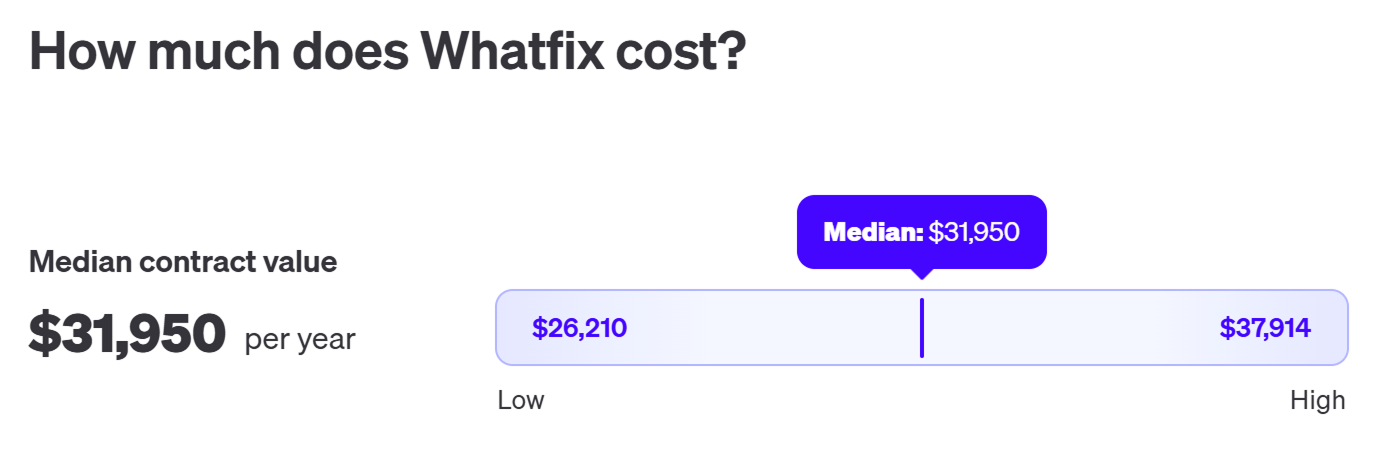
Price. Whatfix does not publish pricing. Deals are custom and negotiated, and third-party data from Vendr puts the median Whatfix contract at roughly $32,000 a year (typical range $26k to $38k). That is enterprise territory, not something a lean team can turn on this quarter.
Complexity. Whatfix is powerful, and that power has a cost. On review sites, the two most common complaints are the price and the learning curve: setup takes real time, and getting value often needs technical help or a dedicated admin.
Just a bit complicated to complete workflows and the time taken to get new flows in place.
— Mid market user · G2
The wrong focus. Whatfix's core strength is employee-facing adoption, guiding staff through internal or third-party software like Salesforce or an ERP. If what you need is customer-facing onboarding inside your own app, you are paying for a use case that is not yours.
First, decide which kind of alternative you need
"Whatfix alternative" means two very different things depending on your job. Sort yourself before you shortlist tools.
Enterprise employee adoption. You need to guide thousands of employees across many internal applications, with governance, SSO and cross-app workflow tracking. This is Whatfix's home turf, and the honest like-for-like swaps carry similar weight and pricing: WalkMe, Apty and Userlane. All are quote-only, enterprise-first platforms. If this is you, evaluate those, and expect an enterprise process.
Product onboarding and adoption. You need to onboard and activate users inside your own SaaS product with tours, checklists, in-app messages and self-serve help. This is where most Whatfix refugees actually belong, and where lighter, self-serve tools win on both speed and price. The seven tools below are built for this job.
The 7 best Whatfix alternatives at a glance
The 7 best Whatfix alternatives in detail
1. Product Fruits – best value
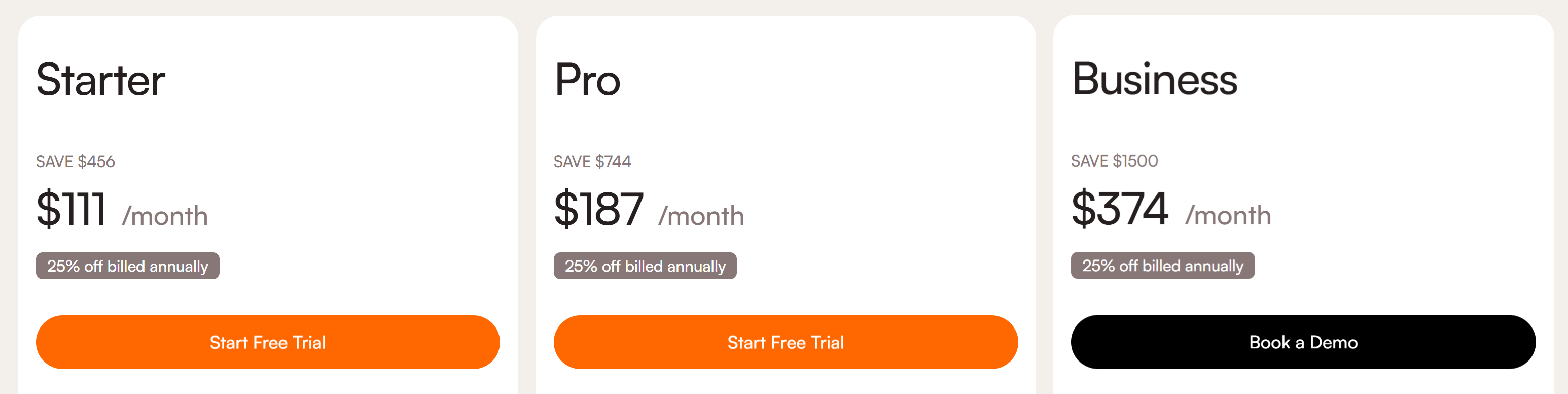
Product Fruits is an AI-native onboarding and engagement platform used by 1,300+ companies. It is the closest thing to a full Whatfix replacement for product teams, at a fraction of the cost. One embed gives you tours, checklists, hints, in-app announcements, surveys and a knowledge base for self-serve docs. Powered by Elvin AI, which creates onboarding flows for you.
Pricing starts at $111/mo billed annually. G2 rating: 4.7.
The catch: web-first, so if mobile in-app guidance is your primary need, a dedicated mobile tool may go deeper.
Why it beats Whatfix here: transparent pricing, setup measured in hours not weeks, and a feature set aimed squarely at product onboarding rather than enterprise employee training.
2. UserGuiding – simple onboarding
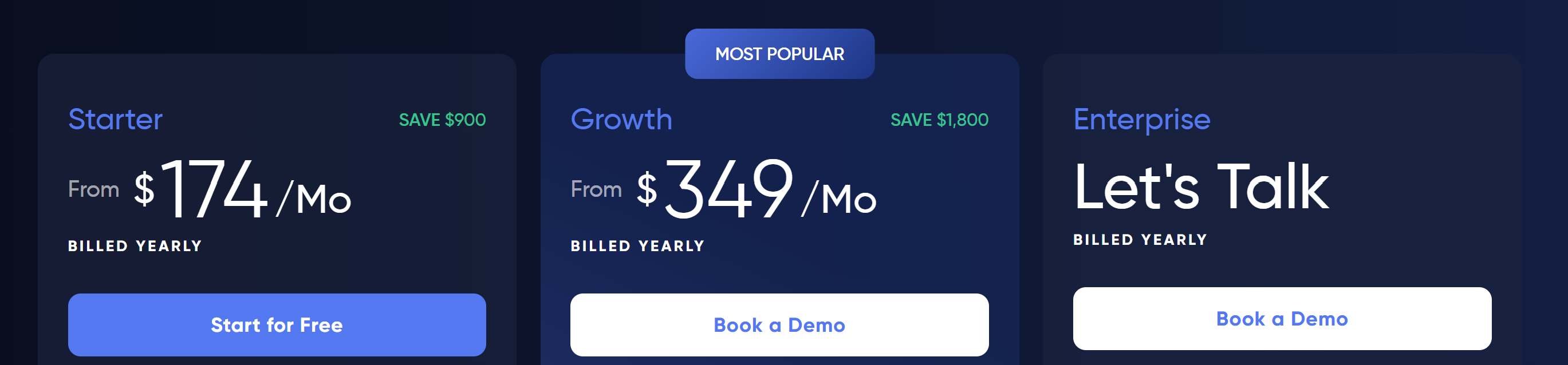
UserGuiding is a no-code onboarding tool popular with early-stage teams. It covers the essentials (tours, checklists, tooltips). If you want the extras like localization, A/B testing or session recording, the upgrade is quite steep.
Paid plans start at $174/mo billed annually. G2 rating: 4.7.
The catch: per-MAU tiers escalate quickly as you grow, and the annual commitment is required to hit the entry price.
3. Userpilot – onboarding plus analytics
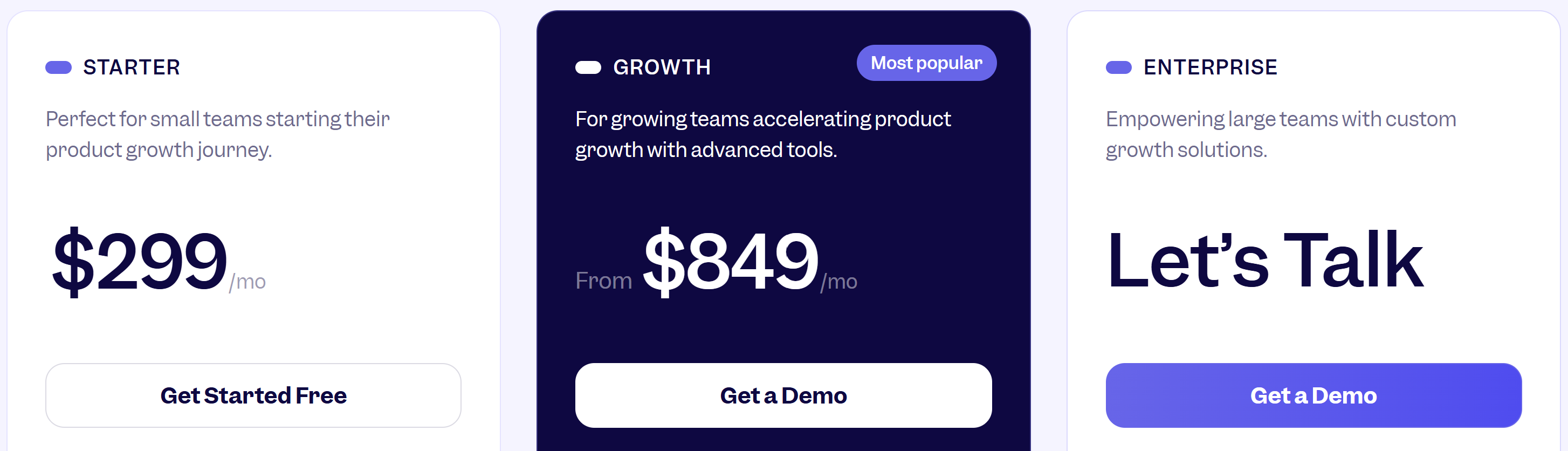
Userpilot pairs in-app onboarding with product analytics, which suits mid-market teams that want engagement data in the same place.
Pricing starts at $299/mo billed annually. G2 rating: 4.6 (988 reviews).
The catch: if you're like most teams and already have an analytics platform, you end up paying for a feature you don't need.
4. Appcues – established and sales-led
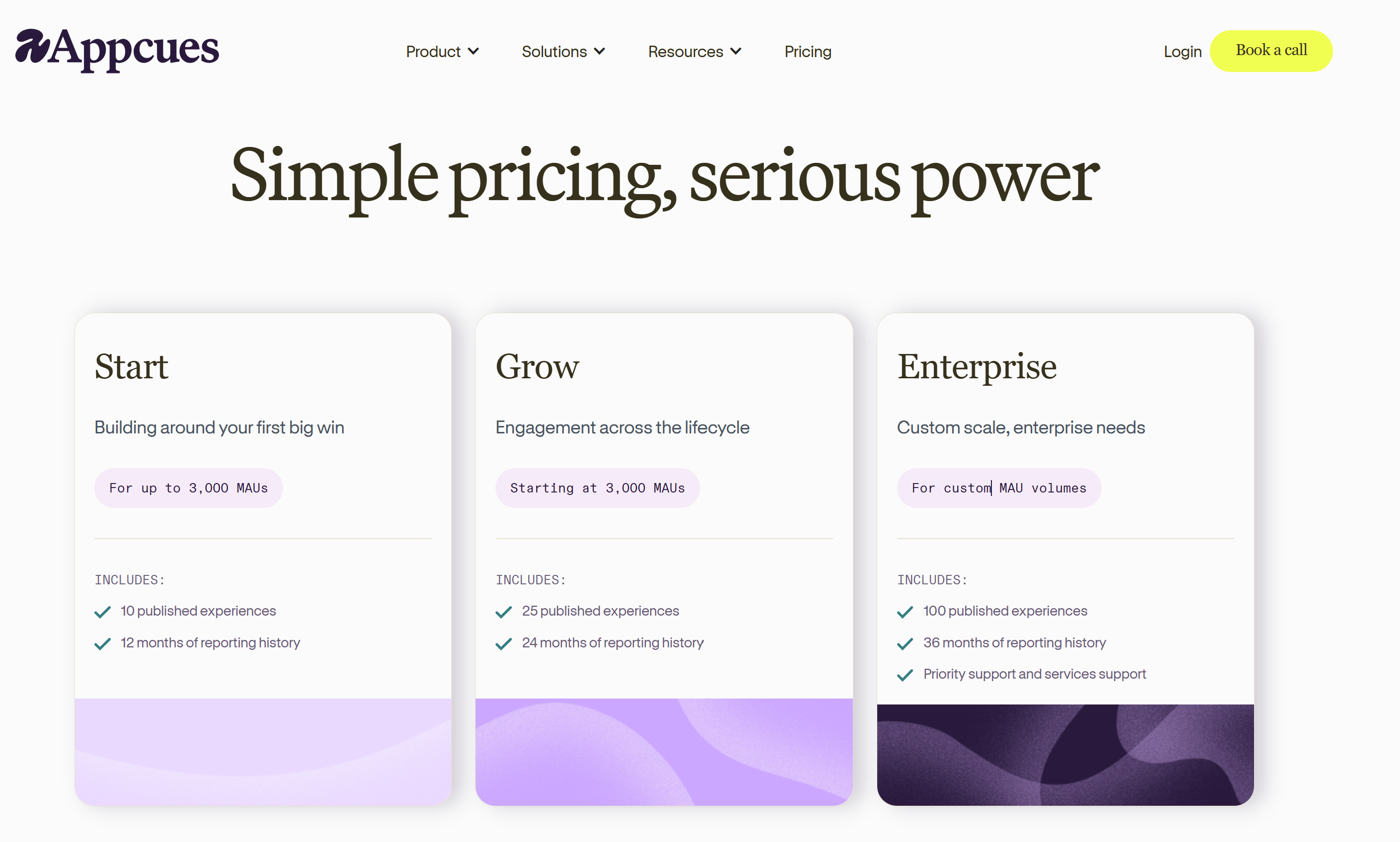
Appcues is one of the older names in onboarding, with a polished builder and strong brand recognition.
Like Whatfix, it has moved to quote-only pricing, with third-party estimates putting real entry around $500/mo. G2 rating: 4.6.
The catch: no public pricing, and costs climb quickly past the entry tier.
5. Userflow – developer-friendly and API-first
Userflow is fast and clean, with strong theming and an API-first approach that developer-heavy teams like.
Pricing starts at $400/mo billed annually. G2 rating: 4.8.
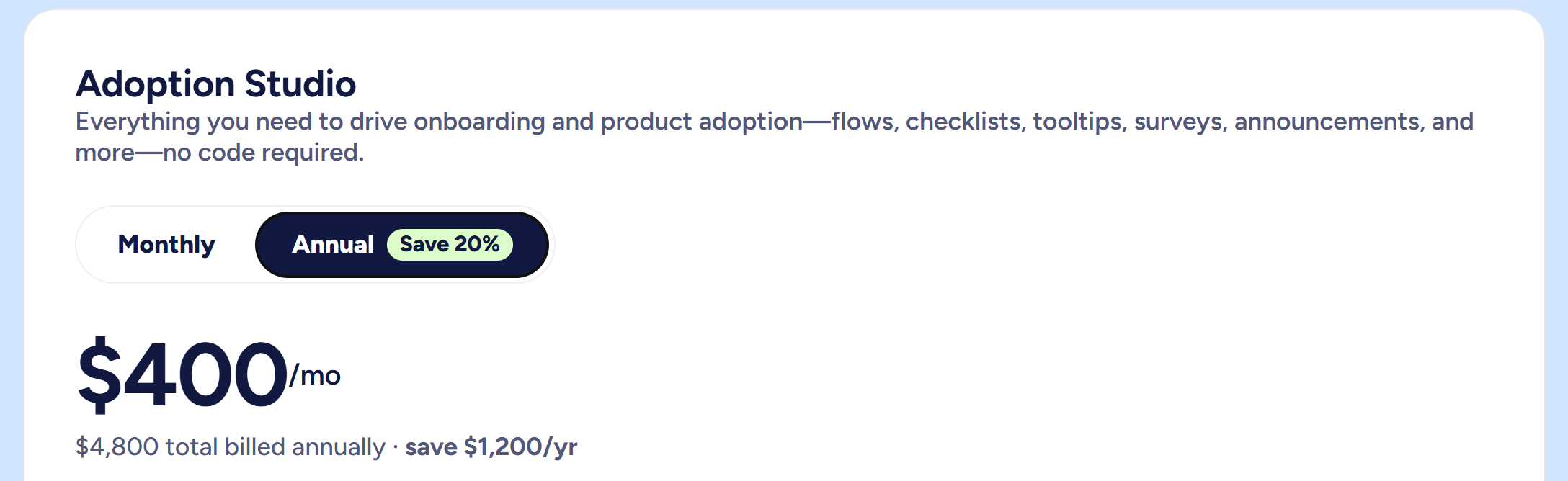
The catch: pricing scales sharply with MAUs, so model the cost as you grow.
6. Chameleon – advanced and highly customizable
Chameleon is built for teams that want deep control over in-app experiences and are comfortable getting technical to get there.
The limited Startup plan starts at $279/mo, with the Pro tier at $750/mo. G2 rating: 4.4.
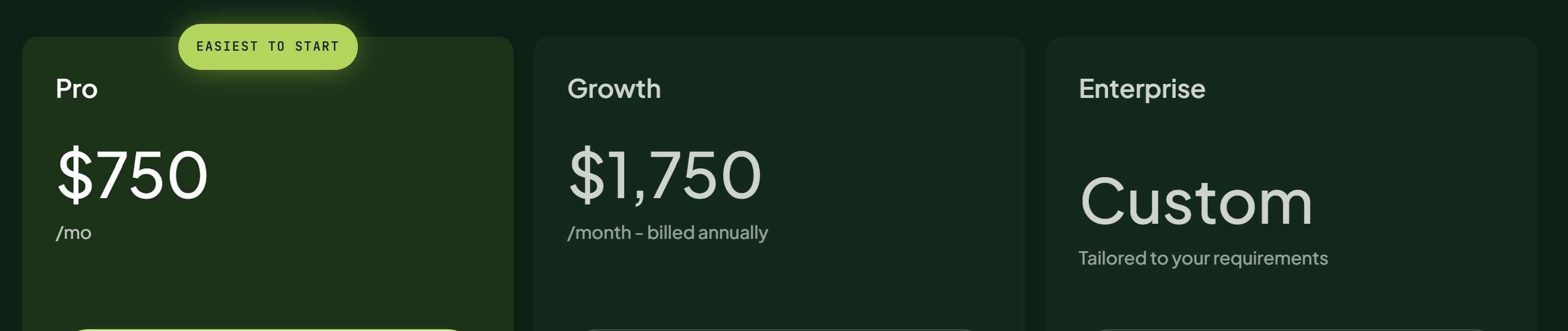
The catch: premium pricing, and getting the most out of it leans technical.
7. HelpHero – simple onboarding on a budget
HelpHero is the value pick for teams that only want product tours and nothing they won't use.
Pricing starts at $55/mo. G2 rating: 4.8 (note it's only 18 reviews).
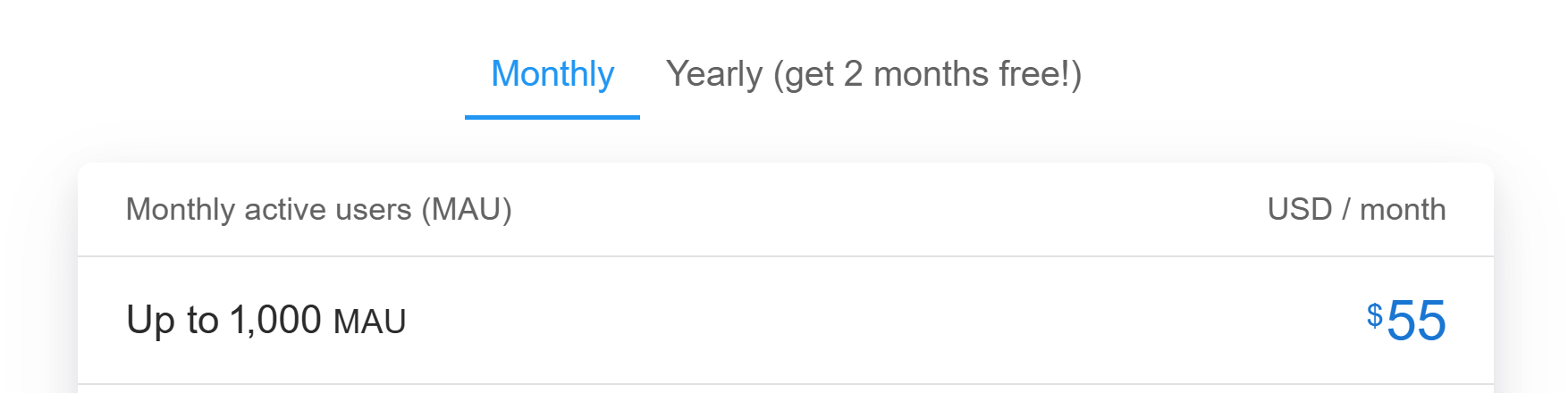
The catch: product tours only. No surveys, no knowledge base, so it's a point tool rather than an onboarding platform.
A closer look at Product Fruits
Whatfix asks you to run a project. Product Fruits asks you to install one snippet and start building the same afternoon. That difference is the whole pitch for fast-moving SMBs.
Everything sits in one place. Flows is the canvas-based builder for guided experiences: you lay out steps visually, branch them on conditions you define (what the user has done, which segment they are in, where they are in the product), and drop Elvin AI steps right into the journey. It is behavior-aware onboarding without an engineering ticket for every change.
Elvin AI powers the in-app help widget, with chat, your knowledge base and configured tabs, so users get answers in the moment instead of filing a ticket. Your documentation lives in the knowledge base, giving people a self-serve place to search. And the Product Fruits MCP connection lets an AI assistant like Claude or Cursor read your Product Fruits data over the Model Context Protocol (read-only, OAuth sign-in, no API key), if you want adoption data inside your own AI workflows.
For a team leaving Whatfix because it was too heavy and too expensive for product onboarding, that is the trade in plain terms: the capabilities you actually use, a price you can see, and a rollout measured in hours.
Product Fruits Delivers: Intuitive UX, Rock-Solid Reliability, and a Game-Changing Elvin AI
— Product manager, SMB · G2
How to choose the right Whatfix alternative
Start with the job, not the feature list. If you need enterprise employee adoption across internal systems, stay in the WalkMe, Userlane and Apty group and run a proper evaluation. If you need product onboarding inside your own app, pick from the seven above.
From there, three questions narrow it fast. What is your budget per month at your real MAU count? Do you need onboarding only, or onboarding plus analytics, help and feedback in one place? And how fast do you need to launch? If the answer is "soon, self-serve, and without a sales call", the transparent-pricing tools rise to the top, and Product Fruits leads on value for an all-in-one set.
Frequently asked questions
What is the cheapest Whatfix alternative for small teams?
HelpHero is the lowest entry price at $55/mo for simple product tours. If you want more than a point tool, Product Fruits starts at $111/mo (billed annually) and bundles onboarding flows, a knowledge base, surveys and an in-app help center, which usually works out cheaper than stacking separate tools.
Is there a free Whatfix alternative?
Not really. Whatfix has no free plan, and the tools that used to offer generous free tiers have mostly moved upmarket. A few run free trials so you can test before you pay. If budget is the real constraint, a low-cost paid tool is the better route: HelpHero starts at $55/mo and Product Fruits at $111/mo, both far below enterprise DAP pricing.
Can I migrate from Whatfix to a lighter tool?
Yes. Because these tools install with a single embed and build in-app content in a visual editor, most teams rebuild their core flows in days, not months. There is no data lock-in on the guidance itself. The practical work is recreating your key tours and checklists, which is far faster than the original Whatfix rollout.
Why is Whatfix so expensive?
Whatfix is priced for the enterprise. It is built to guide thousands of employees across many internal applications, with governance, security and support to match, and it sells through custom annual contracts (a median around $32,000 a year) rather than published plans. That model makes sense for large organizations and overshoots for a smaller team that just needs product onboarding.
Is Whatfix worth it for small businesses?
Usually not. Reviewers repeatedly flag the cost and the learning curve, and its strength is employee adoption across enterprise systems rather than onboarding inside a single SaaS product. Small and mid-market teams generally get more value, faster, from a self-serve tool like Product Fruits or UserGuiding.
What is the best all-in-one Whatfix alternative?
Product Fruits. It combines tours, checklists, hints, announcements, surveys, a knowledge base and help center in one embed, at transparent pricing from $111/mo. For teams that want most of what Whatfix does for product onboarding without the enterprise contract, it is the strongest value pick, rated 4.7 on G2.
The bottom line
Most people searching for a Whatfix alternative are not looking for another enterprise platform. They are looking for strong onboarding without the enterprise price tag and rollout. Sort by the job first: if you need enterprise employee adoption, WalkMe, Userlane and Apty are the honest peers. If you need product onboarding inside your own app, the seven tools here all beat Whatfix on price and speed to launch, and Product Fruits leads on value.
Start your free trial today, no card, no code, no commitment. Or book a demo and we'll map your existing Whatfix flows to Product Fruits equivalents before you commit to anything.


Weekly newsletter
Get the latest releases, tips, articles, and exclusive interviews delivered to your inbox weekly—no spam!