What is Digital Adoption Platform - DAP


A Digital Adoption Platform (DAP) is an enterprise software layer that sits atop digital applications—be it web interfaces, SaaS tools, or internal platforms - to guide and assist users via in-app, contextual support. This article covers definition of what Digital Adoption Platform (DAP) is, where it originated and what are its main use cases.
TL;DR - What is a Digital Adoption Platform (DAP)?
A DAP is an overlay that sits on top of software (SaaS, web apps, portals, intranets) to guide users with in-app walkthroughs, tooltips, self-help, and analytics, helping them adopt tools faster and more effectively.
Origins & evolution:
- Roots in 1990s EPSS (context-sensitive help in complex apps).
- Emerged in early 2010s (WalkMe, later Pendo, Product Fruits, Lemon Learning).
- Evolved from static tours to dynamic, personalized, AI-powered platforms.
Current DAP Capabilities (2025):
- AI front-end: predictive support, conversational agents, natural-language help.
- AI back-end: auto-generated tours, surveys, and analytics.
- Deep analytics: track workflows, adoption gaps, optimize continuously.
- Omnichannel integration: web, mobile, enterprise tools + live chat/video.
- Compliance & governance: GDPR, SOC 2, ISO 27001, HIPAA, CCPA + AI governance (EU AI Act, NIST AI RMF, ISO 42001).
- Next frontier: AI agents that fully automate onboarding, support, and feedback loops.
Why it matters:
DAPs reduce onboarding friction, training costs, and churn; improve satisfaction; enforce compliance; and maximize ROI from digital investments—becoming a cornerstone of modern digital transformation.
So What is a Digital Adoption Platform (DAP)?
The core components of Digital Adption Platform are well described in Wikipedia definition:
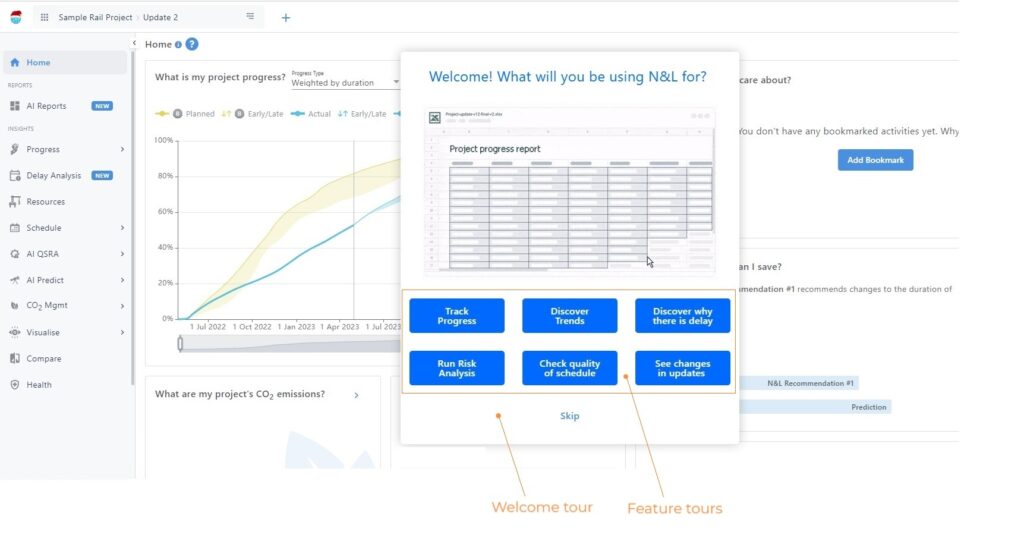
"A digital adoption platform is an interface between users and a digital application. A DAP provides automated in-app user guidance with the help of interactive walkthroughs, step-by-step overlays, self-help menus, and contextual information as the user navigates through the application. DAP captures user engagement and workflow information on the backend, which can then be accessed by the organization using analytics."
DAPs are designed to automate and streamline onboarding, reduce training friction, elevate user engagement, and ultimately maximize ROI on digital investments. In 2024 Gartner predicted that "By 2025 70% of organizations will use digital adoption platforms across the entire technology stack to overcome still insufficient application user experiences."
If you would like to learn more about Digital Adoption Platform / DAP benefits, read next article in this series.
DAP Origins
The concept of DAPs traces back to the early 1990s with Electronic Performance Support Systems (EPSS) - desktop tools aimed at providing context-sensitive help within complex software or technical environments like ERP and banking systems, or as SW guidance for machinery servicing. These systems were among the first to embed guidance directly within workflows
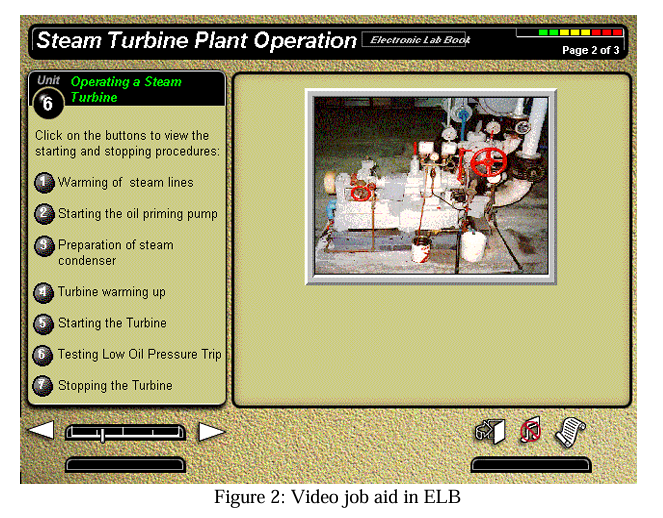
Source: DESIGNING EPSS FOR THE MARINE Ind., A. Banerji, R. Bhandari, Singapore Polytech., 1997
Early 2010s: The DAP Emerges
With the rise of web-based and SaaS platforms in the early 2010s, a new generation of adoption tools emerged - namely, Digital Adoption Platforms. The Israeli-founded WalkMe (founded 2011, product launched 2012) stood out as the first widely adopted DAP. WalkMe brought no-code guidance, tooltips, step-by-step overlays, and embedded analytics to web apps.
Other platforms then followed: Pendo, Lemon Learning, or us - Product Fruits and others entered the market during late 2010s and early 2020s, expanding multilingual support, easier deployment, and enhanced usage tracking as well as bringing in AI powered features.
How DAPs Have Matured Over Time
a. From Static Walkthroughs to Adaptive, Dynamic Support
Classic DAPs are largely static - predefined walkthroughs or tours triggered at specific junctures. Over time, solutions have become more dynamic and personalized, reacting to real-time user behavior to offer contextual and intuitive guidance as well as extended in-app feedback and support features.
b. Integration of Analytics & Workflow Insights
Modern platforms embed analytics deeply: tracking session paths, identifying drop‑off points, and enabling organizations to refine workflows and the user experience based on real behavior data or immediate feedback.
c. Rise of AI & Intelligent Assistance
The most significant evolution: AI integration. Gartner notes that DAPs are evolving from static guidance tools into adaptive systems powered by intelligent assistance. These include features like predictive support, natural-language query handling, and proactive guidance as for example Newired notes.
d. Proactive & Predictive Platforms
Beyond reactive help, modern DAPs have evolved into three types:
- Reactive: Support triggered when a user encounters a problem.
- Proactive: Anticipates issues and guides the user preemptively.
- Predictive: Uses analytics and AI to forecast user needs and tailor guidance
The State of the Art: Current DAP Capabilities (2025)
In 2025, top-tier digital adoption platforms embody the following advanced features:
1. AI-Powered front-end Intelligence
- Predictive support and real-time adaptation based on user behavior.
- AI-based search and summaries of support materials (knowledge base or others)
- Conversational interfaces or agentic AI that assist users in natural language, using the company knowledge base or other support materials, with optional transfer to live human support if required.
2. AI-automated back-end
- AI-generated tour content or AI-designed tours, surveys and other onboarding, support and feedback content
- Conversational interfaces and agentic AI assisting on the back end
- AI assisted or powered analytics on the back-ened
3. Rich Workflow Analytics & Optimization
- Usage stats, ratings or charts form analytics, usage or license optimization, workflow accelerators, and deeper UI/UX insights.
- This creates an odboarding/adoption/support feedback loop allowing ongoig improvements
- AI assisted or powered analytics lowers knowledge barriers and democratizes Analytics use
4. Seamless Integrations & Omnichannel Reach
- Plugins across web, mobile, and enterprise tools with no-code builders.
- Frameworks that support rapid deployment and cross-application guidance.
- Integration of other channels such as live support chat, live or recorded video, voice, e-mail.
5. Compliance, Security & Auditability
- Built-in compliance flows, structured audit trails, and business process adherence.
- Support for required / relevant legislations and regulations such as GDPR, SOC 2, ISO 27001/NIST, HIPAA, CCPA and other.
6. AI Governance Amid Enterprise AI Sprawl
- Support for governance frameworks like AI TRiSM (Gartner) or NIST AI RMF and standards ISO 42001/23894
- Compliance with new AI regulations and such as the EU AI Act, reports for AI bias, trustworthiness, lifecycle process, and systems quality.
7. "Frontier" technology (coming late 2025 / 2026)
- Entirely AI agent based onboarding, adoption and support - both for back end (custom/on demand tour generation, KB writing/generation) and front end (onboarding/adoption AI agent instead of traditional onboarding/adoption content stack).

Why the DAP in 2025 Matters for Your Business
- Deploy smarter, not harder: AI-driven guidance reduces onboarding friction and training costs.
- Leverage real insights: Analytics inform strategic improvement - no more guesswork.
- Support across tools & channels: Whether on web, mobile, or ERP, your users get consistent help.
- Maintain governance at scale: Especially critical in AI-saturated enterprises facing tool sprawl.
- Optimize ROI: Early adopters report up to 85% ROI on digital transformation programs.
Final Thoughts
Digital Adoption Platforms have come a long way - from rudimentary EPSS overlays to today’s dynamic, AI-powered systems. Modern DAPs are central to effective digital transformation, enabling organizations to deploy complex tools confidently, onboard users efficiently, and continuously optimize workflows with intelligent assistance and real-time insight.
The new AI features automate many back-end activities, analytics and growing number of features on the front end - from AI self-help and support assistants to on-demand tour activation to on-the-fly tour composition and support flow orchestration. These allow you to cover not just onboarding phase, but entire lifecycle of your customers and SaaS products.


Weekly newsletter
Get the latest releases, tips, articles, and exclusive interviews delivered to your inbox weekly—no spam!